
Most mobile apps are deleted within days of being installed, and in our experience the reason is almost always usability rather than the idea. For Czech startups and SMEs that matters. A badly executed app does not just waste money - it damages trust with the people you most need to impress. This guide covers how to approach mobile development practically: how to get to market fast, where costs actually go, and what tends to go wrong.
In short: mobile apps pay off for Czech companies when they replace a manual, error-prone process or give customers a faster way to order and get help. The MVP approach, a hybrid or PWA technology choice, and early testing with real users are what keep the budget and the timeline under control. The rest of this article explains each of those points.
Why mobile apps matter for Czech startups and SMEs
Over the past few years, a growing share of the technology budgets we see at Czech startups and SMEs has gone into mobile: field apps for technicians, ordering apps for regular customers, internal tools that replace paper and spreadsheets. Mobile is no longer a nice-to-have for growth-minded companies; it is where their customers and their employees already are.

Government support for SME digitization runs through 2027. Mobile apps fit squarely into that goal - they let you automate processes, reach customers directly, and collect real usage data you cannot get from a spreadsheet.
The honest challenge for most Czech startups is budget and speed. You cannot spend 18 months building a perfect product. You need something in users’ hands fast so you can learn what actually works and stop guessing.
How mobile apps speed up time to market
The MVP model exists for exactly this reason. Instead of building everything you think users might want, you build the one thing they definitely need. Then you ship it, watch what happens, and iterate. This is not a compromise - it is a smarter strategy than the alternative.
Agile development means feedback arrives in weeks, not quarters. Traditional native development for both iOS and Android can run 6-12 months. A hybrid MVP can be in the market in 8-12 weeks at roughly a third of the cost. That gap is significant.
What the MVP approach does well:
- Validates your business model with real users before large investments
- Reduces the risk of building something nobody wants
- Gives you data to show investors instead of slides
- Lets you pivot based on evidence, not instinct
One thing worth being clear about: an MVP is not a half-finished product. It is the smallest version of your app that still delivers genuine value. Define the one core problem you are solving, cut everything else, and build that well.
Before writing a line of code, spend time on your go-to-market strategy. MVP development done without a distribution plan produces great apps that nobody finds.
Optimizing business processes with mobile apps
The efficiency gain comes from replacing manual, error-prone processes with automated, real-time ones. Sales teams see inventory live instead of waiting for reports. Managers track KPIs without chasing spreadsheets. Customer support has the full interaction history before they say hello. How large the gain is depends entirely on how bad the manual process was, which is why we insist on measuring it before and after.
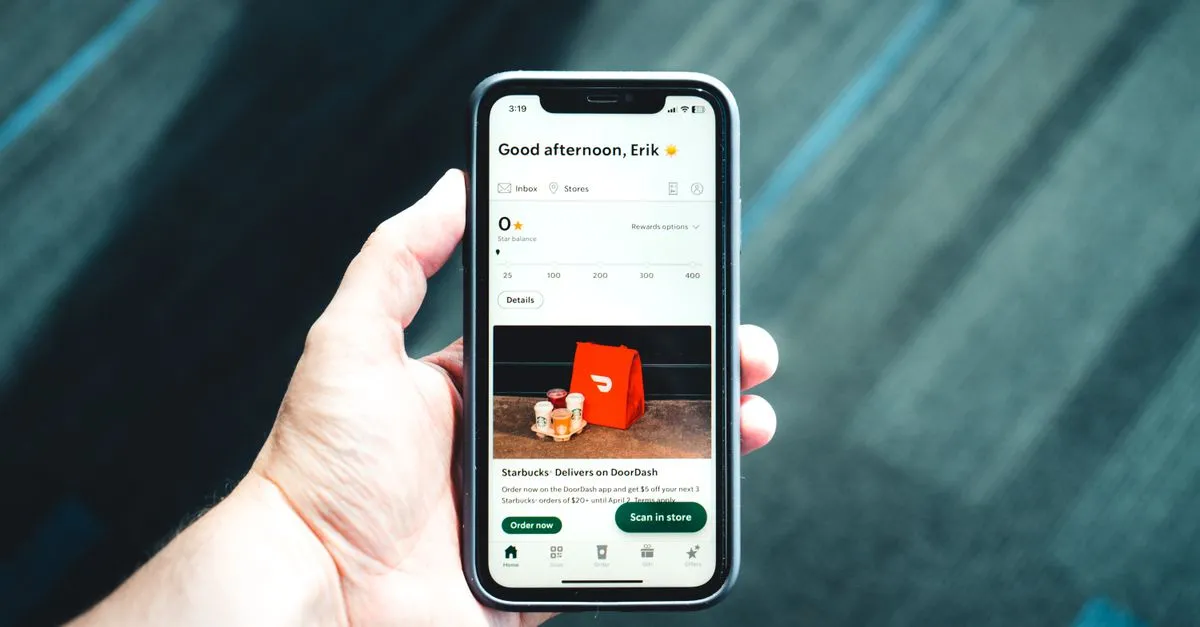
The wins that companies report to us are specific rather than abstract: invoices approved from a phone the same day instead of waiting for someone to be at a desk, fewer order errors because the field team enters data once instead of re-typing it, new employees onboarded faster because the process lives in the app rather than in someone's head. These are not soft wins - they show up in payroll hours and mistake rates.
If you are planning an integration, do it in this order:
- Identify the most painful manual processes with the greatest time impact
- Map the current workflow and define the ideal state with a mobile solution
- Start with one process as a pilot to validate the concept
- Collect feedback from actual users during development
- Measure specific KPIs before and after implementation to verify ROI
- Scale to additional processes after successful validation of the first module
The insight worth repeating: the best process management apps come from involving the people on the floor, not just the managers. They know where the actual bottlenecks are.
Comparing technologies for mobile app development
Technology choice drives delivery speed, cost, and what users can actually do in the app. There is no universally correct answer, but there is a framework for deciding.
Native apps give you the best performance and full hardware access. The trade-off is separate codebases for iOS and Android, which doubles development time and cost. Worth it for complex or hardware-dependent applications. Not worth it for most business tools.
Hybrid apps - built with React Native or Flutter - run on both platforms from a single codebase. Performance is close enough to native for the vast majority of use cases. The cost drops substantially compared to going native on both platforms, because most of the work is done once. This is where most Czech startup projects land.
Progressive Web Apps (PWAs) offer the fastest path to something functional. No app store approval required. Works in the browser with offline support. Limited hardware access is the real constraint, but for content and information services, that often does not matter.
| Technology | Development Speed | Cost | Performance | Cross-Platform | Use Case |
|---|---|---|---|---|---|
| Native | 6 to 12 months | High | Highest | Requires duplicate development | Complex apps with demanding requirements |
| Hybrid | 8 to 16 weeks | Medium | Very Good | Yes, single codebase | MVPs, startups, most business apps |
| PWA | 4 to 8 weeks | Low | Good | Yes, web-based | Information services, content-oriented projects |
React Native is maintained by Meta and Flutter by Google, and both run in production apps with millions of users. The quality gap between hybrid and native has narrowed to the point where most users cannot tell the difference. Base your choice on business priorities.
Recommendations:
- Default to hybrid unless you have a specific, proven reason to go native
- Consider PWA for content projects where hardware access is not needed
- Prototype hybrid before committing to native investment
Teams with JavaScript experience in web development often transition naturally to hybrid mobile, which cuts hiring complexity considerably.
Common misconceptions about mobile app development
These myths cost Czech startups real money.
Myth: Only native development produces a quality app. Not true for most applications. A well-built hybrid app is indistinguishable from native for the average user in business tools, e-commerce, or content platforms. Native makes sense for high-performance games and heavy hardware integration. Everything else should be evaluated on its own merits.
Myth: A great app sells itself. Most apps are abandoned within the first days of use, and poor usability is the usual reason. Retention depends on onboarding quality, clear value in the first 30 seconds, and consistent updates. App Store Optimization and active distribution matter as much as the code.
Myth: Quality mobile apps are always expensive. With an MVP approach, you can have a functional product in the market in 2-3 months; at Kosmoweb that starts from around 90,000 CZK for a PWA and 100,000 CZK for a hybrid mobile app. The cost driver is scope, not quality. Each feature added to version 1.0 increases costs nonlinearly. Ship less, learn faster.
Myth: Design is cosmetic. UX/UI directly affects retention and conversion. Users decide in seconds whether to stay or delete. Poor design cannot be fixed by good code.
What to do instead:
- Validate the problem with real users before building anything
- Set one measurable success metric and design toward it
- Invest in UX research rather than feature count
- Plan distribution before launch, not after
"The most expensive mistake is not bad code, but building a product nobody wants. MVP and early validation with real users save months of work and hundreds of thousands in investment."
Create a Figma prototype before writing code. Test it with actual potential users. Design changes cost almost nothing compared to code changes. Most UX problems surface in prototype testing - catching them there is the cheapest possible fix.
What digital agencies actually provide
For startups and SMEs without an in-house technical team, working with an agency is often faster and cheaper than building that team from scratch. The advantage is not just developer access - it is accumulated project experience that prevents expensive mistakes.
Kosmoweb works with Vue.js, React, Node.js, and Tailwind - well-maintained tools with large communities, not experimental frameworks that will create maintenance problems in two years.
The pattern from our own projects: an e-commerce app delivered in a quarter of the time the client had originally been quoted elsewhere, an internal CRM that took a noticeable chunk of administrative work off a small team, an MVP that confirmed or killed a market hypothesis within a few weeks instead of a year. Speed matters in competitive markets.
What agency work gives you over in-house development:
- Senior developers available immediately, no recruitment delay
- Fixed budget and timeline, not open-ended hourly costs
- No ongoing employment overhead after the project ends
- Cross-industry experience your team simply cannot have yet
When evaluating agencies, ask for references from projects similar to yours. Ask what technology they would use and why. Ask about post-launch support. Ask how they handle scope changes. The answers tell you more than a portfolio page does.
Be skeptical of vague estimates. A professional agency can give you a realistic scope and price range after one conversation. “It depends” without any specifics is not an answer.
Making mobile work for your business
The companies gaining ground in Czech markets are not necessarily the ones with the largest budgets. They are the ones shipping faster, learning from real data, and adjusting quickly. Mobile apps are one tool in that process — a meaningful one, when used right.
The path is not complicated: define one problem, build the smallest solution that solves it, get it in front of users, and iterate on what you learn. Your first app does not need to be perfect. It needs to be real.
Kosmoweb’s MVP development service
If you need to move quickly without sacrificing the quality of execution, we can help. Kosmoweb builds MVPs with a focus on fast delivery and genuine hypothesis validation — not just code delivery.
We work with you from concept through user research, design, and development to launch and ongoing support. Transparent pricing, fixed timelines, direct communication. We care about whether the product works in the market, not just whether the code compiles.
Contact Kosmoweb to talk through your project. We will give you a realistic assessment of what it takes and what it costs.
Frequently asked questions
How quickly can a mobile app be launched?
With hybrid development and a disciplined MVP scope, you can have something functional in the market in 8-12 weeks. The biggest time drain is scope creep. Focus on one core user problem and cut everything else until after launch.
What technology should I choose on a tight budget?
Hybrid development with React Native or Flutter gives you the best cost-to-quality ratio. One codebase for both iOS and Android, at a noticeably lower cost than two native codebases. For content-heavy projects with no hardware requirements, PWA is even faster and cheaper.
How do I keep users from abandoning the app?
Prioritize onboarding. Users who do not understand the app’s value in the first 30 seconds leave and do not come back. Test your prototype with real users before development starts. After launch, collect feedback weekly and act on it.
What do digital agencies actually do in app development?
They provide immediate access to experienced developers, designers, and project coordination — without the time and cost of hiring. A good agency delivers in fixed time for a fixed price and brings experience from other projects that reduces your risk. Ask for references.
Is there funding available for app development in the Czech Republic?
Yes. The government SME support program through 2027 includes grants for digital transformation. European funds also cover startup innovation. CzechInvest and the Ministry of Industry and Trade publish current calls. Many agencies can help with grant application preparation.